Character Traits List: Positive and Negative Words for Kids

A character trait is a word that tells what a character is like inside, shown by what the character says, does and thinks. This character traits list sorts positive and negative traits with kid-friendly meanings, and adds short examples, an anchor chart and activities.
Character traits list
Traits describe a character’s lasting qualities, such as kind, brave or stubborn. Readers learn them by watching what a character does in the story. A short starter list:
| Positive traits | Negative traits |
|---|---|
| kind, brave, honest, curious | selfish, rude, dishonest, careless |
| patient, generous, loyal, creative | arrogant, stubborn, impatient, bossy |
The longer lists below give a meaning for each word.
Positive character traits
Positive character traits are qualities that help characters get along with others and solve problems. This list of positive character traits has twenty-five words with a plain meaning for each. Many of them are also good character traits to talk about with children at home or in class.
| Trait | What it means |
|---|---|
| kind | cares about others and is gentle with them |
| brave | does what is right even when scared |
| honest | tells the truth |
| curious | wants to find out more |
| patient | waits calmly without getting upset |
| generous | gives and shares freely |
| loyal | sticks by friends and family |
| creative | thinks of new ideas and new ways to do things |
| responsible | does what they are supposed to do |
| determined | keeps trying and does not give up |
| polite | uses good manners |
| helpful | pitches in when someone needs a hand |
| friendly | is warm and easy to talk to |
| thoughtful | thinks about how others feel |
| confident | believes in what they can do |
| hardworking | puts in effort to finish a job |
| respectful | treats people and things with care |
| optimistic | expects good things to happen |
| fair | treats everyone the same way |
| gentle | is soft and careful in how they act |
| clever | is quick to solve problems |
| humble | does not brag about themselves |
| careful | pays attention to avoid mistakes |
| forgiving | lets go of anger after a mistake |
| trustworthy | can be counted on |
Negative character traits
Negative character traits are qualities that cause problems for a character or for the people around them. This list of negative character traits has fifteen words.
| Trait | What it means |
|---|---|
| selfish | thinks only of themselves |
| rude | speaks or acts without manners |
| dishonest | lies or cheats |
| careless | does not pay attention to what they are doing |
| arrogant | thinks they are better than other people |
| stubborn | will not change their mind or listen |
| impatient | cannot wait and gets upset quickly |
| bossy | tells others what to do |
| lazy | avoids effort or work |
| greedy | wants more than their share |
| mean | is cruel or unkind to others |
| sneaky | hides what they do in order to trick others |
| boastful | brags about themselves |
| disrespectful | does not treat people or things with care |
| unfair | treats people differently without a good reason |
A trait describes a character, not a whole person. Calling a character selfish does not mean that character is a bad person, and characters can change as a story goes on. A selfish character might learn to share by the end.
Character traits examples
These character traits examples were written for this article. Each one has a short action, a trait and the proof.
- Lena stayed after the bell to wipe up the spilled paint. Trait: responsible. Proof: she stayed to clean up the mess.
- Omar split his lunch in half when his friend forgot to bring one. Trait: generous. Proof: he gave away part of his own food.
- Priya rebuilt her puzzle again each time it fell apart. Trait: determined. Proof: she kept trying after setbacks.
- Ben told his teacher he had broken the pencil box, though nobody had seen it happen. Trait: honest. Proof: he told the truth when he could have stayed quiet.
- Tess pushed to the front of the line and said, “Move, I’m first.” Trait: rude. Proof: she ignored the others’ turns and spoke harshly.
A trait can come from more than one kind of clue. When a reader is looking for the trait, there are four places to look:
- What the character does. Actions make clear proof, as in the examples above.
- What the character says. The words a character chooses, and the way they say them, show what they are like.
- What the character thinks. Some stories show thoughts directly, so the reader sees the reason behind an action.
- What others say or do in response. If other characters turn away or thank someone, that shows how the character acts toward them.
One more example written for this article: “I can wait,” said Noor, and she sat down by the door while the others finished. The trait is patient. The proof is in what she says and does.
Character traits vs feelings
A feeling is short-lived. A trait is a lasting quality. A character can feel nervous without being a nervous person. The table shows the contrast in character traits vs feelings. Words like jealous, grumpy and cheerful describe moods as often as traits, so they are left off the trait lists.
| Feeling | Trait | |
|---|---|---|
| How long it lasts | Changes quickly | Lasts across the story |
| Examples | nervous, excited, angry, sad | shy, brave, patient, bossy |
| Sentence | Maya felt nervous before the show. | Maya is brave. She speaks up in front of the class. |
To tell the two apart, ask whether the word describes how the character feels right now or what the character is like most of the time.
How to describe a character
When describing characters, a trait alone is not enough. The reader has to show where it comes from. The formula is the trait plus the proof from the text. A sentence stem helps:
The character is ___ because ___.
Example: Lena is responsible because she stayed after the bell to wipe up the spilled paint. The trait is responsible, and the proof follows because. Another: Ben is honest because he told his teacher he had broken the pencil box, even though nobody had seen it happen. A stronger answer adds a second detail from the text, or explains how the proof connects to the trait. Our post on reading comprehension strategies shows how this kind of evidence-based answer fits with other reading skills.
Character traits anchor chart
Build the character traits anchor chart from one story the class has read together. Put three columns on it:
| Trait | What the character did | Proof (page and words) |
|---|---|---|
| responsible | Stayed to clean up the paint | “stayed after the bell” |
Add a short list of positive and negative traits at the side, so students can borrow a word when they are stuck. Ask the class to agree on the proof before a row goes up, so the chart shows evidence and not only opinion. A character traits chart like this one stays on the wall for the whole unit, and students can add new rows each day.
Character traits graphic organizer
A character traits graphic organizer is a simple page. Put the character’s name in a circle in the middle. Draw four boxes around it, labelled trait, proof from the text, page number and my thinking. Students fill in one set of boxes for each trait they find. For a longer story, use one page per character.
Character adjectives
These words are not on the lists above and also work well for describing a character. This quick list of character adjectives can go on a word wall:
- bold, shy, lively, quiet, modest, wise, sensible, cautious, daring, adventurous
For more describing words, see our list of adjectives.
Activities
Trait sort cards
Write traits on cards. Students sort them into positive and negative, then explain one trait from each pile in a sentence.
Trait match
Make two sets of cards: short action sentences (such as He returned the lost wallet) and trait words (such as honest). Students match each action to a trait and say how they know.
Change the trait
Give students a short scene. They rewrite it so that the character shows the opposite trait, such as a rude character who now acts polite. They compare the two versions and name what changed.
Trait of the day
Choose one trait word each morning and put it on the board. During read-aloud or story time, students listen for a character who shows it and tell the class what the character did.
Trait detective
Give students a short paragraph. They underline each action, circle the trait it shows and write the proof next to it.
Practice material
Students need stories to read before they can describe the characters in them. These printable reading packs give students short stories with questions and answer keys to practice on:
- CVC stories reading comprehension: ten decodable stories and forty student worksheet pages, for kindergarten to grade 1.
- First grade reading passages: 62 pages across ten engaging stories.
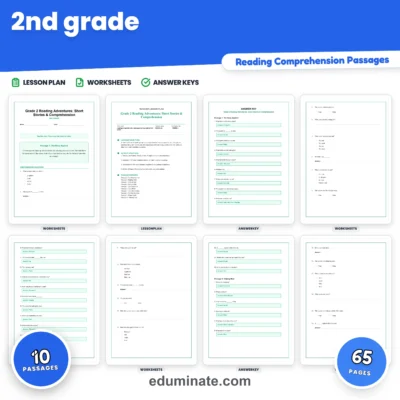
- Second grade short passages: 65 pages across ten engaging stories.
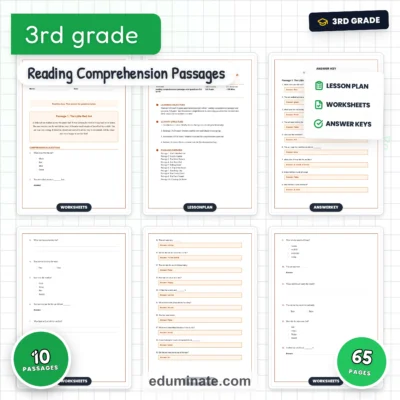
- Third grade short passages: 65 pages across ten engaging stories.
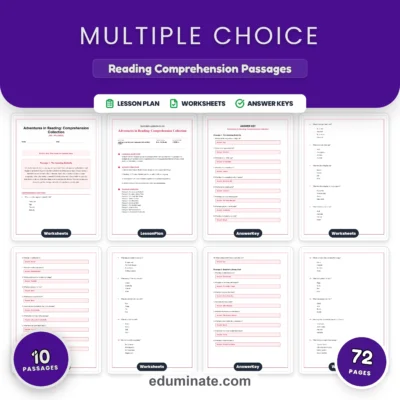
- Multiple choice reading passages: 72 pages across ten engaging stories, for grades 2 to 5.
- Fourth grade multiple choice passages: 84 pages across ten engaging topics, including science facts and moral themes.
20 character traits for kids
If you need a short character traits list for kids, these 20 character traits are enough for most stories. Ten are positive and ten are negative, so students can compare them.
| Positive | Negative |
|---|---|
| kind | selfish |
| brave | rude |
| honest | dishonest |
| helpful | lazy |
| polite | bossy |
| patient | impatient |
| generous | greedy |
| responsible | careless |
| hardworking | stubborn |
| curious | boastful |
Character traits list for 4th graders
A character traits list for 4th graders goes beyond kind and mean. Fourth graders are asked to describe a character in depth, using details from the text. These words give them a stronger vocabulary than the basic list:
- determined: keeps trying until the job is done
- resourceful: finds a clever way to solve a problem with what is at hand
- considerate: thinks about how others feel
- reliable: can be trusted to do what was promised
- humble: does not brag about what they can do
- courageous: faces danger or fear with strength
- cautious: thinks carefully to avoid mistakes or danger
- optimistic: expects good things to happen
- stubborn: refuses to change their mind even when they should
- impulsive: acts quickly without thinking
For each word, ask students to finish this frame: The character is ___ because ___. For example: Yusuf is determined because he practiced the long jump every day until he reached the line. The “because” part is the proof, and it is what separates a trait from a guess.
Negative character traits for kids
When teaching negative character traits for kids, link each word to behavior rather than to a person. Say “Sami was careless with his work,” not “Sami is a careless boy.” Then ask what the character could do differently. This keeps the lesson focused on the story and on choices, not on labeling anyone.
Frequently asked questions
What grade learns character traits?
Schools differ, so check your curriculum. For reference, the reading packs above are listed from kindergarten to grade 5.
Is a trait the same as a feeling?
No. A feeling changes quickly, like nervous or excited. A trait is a lasting quality, like brave or shy.
Can a character have more than one trait?
Yes. Most characters have several. A character can be brave and impatient at the same time, and each trait needs its own proof from the text.
Can a trait change?
In a story, yes. Characters often learn something and act differently by the end. A selfish character might become generous, and readers can point to the moment it changes.
What are character descriptors?
Character descriptors are the words that describe a character: traits for inside qualities, plus words for looks, such as tall or curly-haired. A good character traits list includes only the inside words, like kind or curious, because those need proof from what the character does.
Where can I find a character traits list for 4th graders to print?
Copy the 4th grade list above into an anchor chart, or use it with the reading passages listed below, where students find a trait and cite the sentence that proves it.
Related resources
- Reading Comprehension Activities, First Grade Reading Passages and Questions
- Short Reading Passages, Second Grade Printable Pages, Questions and Answer Key
- Short Reading Comprehension Passages, Third Grade Questions and Answer Key
- Reading Comprehension Passages and Questions, Multiple Choice Printable Pages
- Grade 4 Reading Comprehension Multiple Choice, Fourth Grade Reading Passages
- CVC Stories Reading Comprehension Passages for Kindergarten and Grade 1 Set